Music That Lowers Stress: Which Genres Work Best (2026 Guide)
I slammed my laptop shut at 6:47 PM, my jaw clenched so tight I could feel the tension radiating up into my temples. Another day of back-to-back Zoom calls, a Slack channel that wouldn't stop pinging, and a deadline that had somehow moved up by two hours. My heart was still thumping as I walked to the kitchen, grabbed my headphones, and hit play on something I hadn't listened to in months: a playlist of slow ambient drones. Within about four minutes, I noticed my breathing had slowed. My shoulders dropped. The knot in my stomach began to loosen. That moment wasn't magic — it was biology. And in 2026, the science around which music genres lower stress has never been clearer. This guide breaks down the mechanisms, the top genres, and the practical steps to build your own stress-relief soundtrack, based on the latest research and real-world experience.
How Music Physiologically Lowers Stress: The Biological Mechanisms
Music doesn't just feel good — it physically alters your body's stress response. When you listen to a piece of music you enjoy, your brain releases dopamine, the neurotransmitter associated with pleasure and reward. At the same time, the autonomic nervous system shifts from the fight-or-flight sympathetic branch to the rest-and-digest parasympathetic branch. This shift lowers your heart rate, reduces blood pressure, and decreases circulating cortisol — the primary stress hormone.
One of the most studied mechanisms is tempo. Tracks around 60–80 beats per minute (BPM) can entrain your heart rate to match that rhythm, coaxing it down from a stressed, rapid pace to a calmer one. This is sometimes called "rhythmic entrainment." It's why slow classical adagios and ambient music are so effective: they gently pull your body toward their tempo.
A 2025 meta-analysis published in the journal Psychophysiology reviewed 47 studies and found that listening to music for just 15–20 minutes consistently reduced cortisol levels by an average of 21% compared to silence. The effect was strongest for instrumental music without lyrics, but individual preference played a major role — a point I'll come back to. The key takeaway: music is a scalable, low-cost, side-effect-free tool that you can deploy anytime your nervous system needs a reset.
Genre #1: Classical and Ambient — The Gold Standard for Relaxation
Classical music has been the poster child for stress relief for decades, and for good reason. Slow-tempo Baroque and Romantic pieces — think Debussy's "Clair de Lune," Beethoven's "Moonlight Sonata" (first movement), or the adagio from Mozart's Clarinet Concerto — feature predictable harmonic structures, gentle dynamics, and long, flowing phrases. These elements create a sense of safety and predictability that the brain interprets as low threat. The lack of lyrics also helps: your brain's language centers can rest instead of processing meaning.
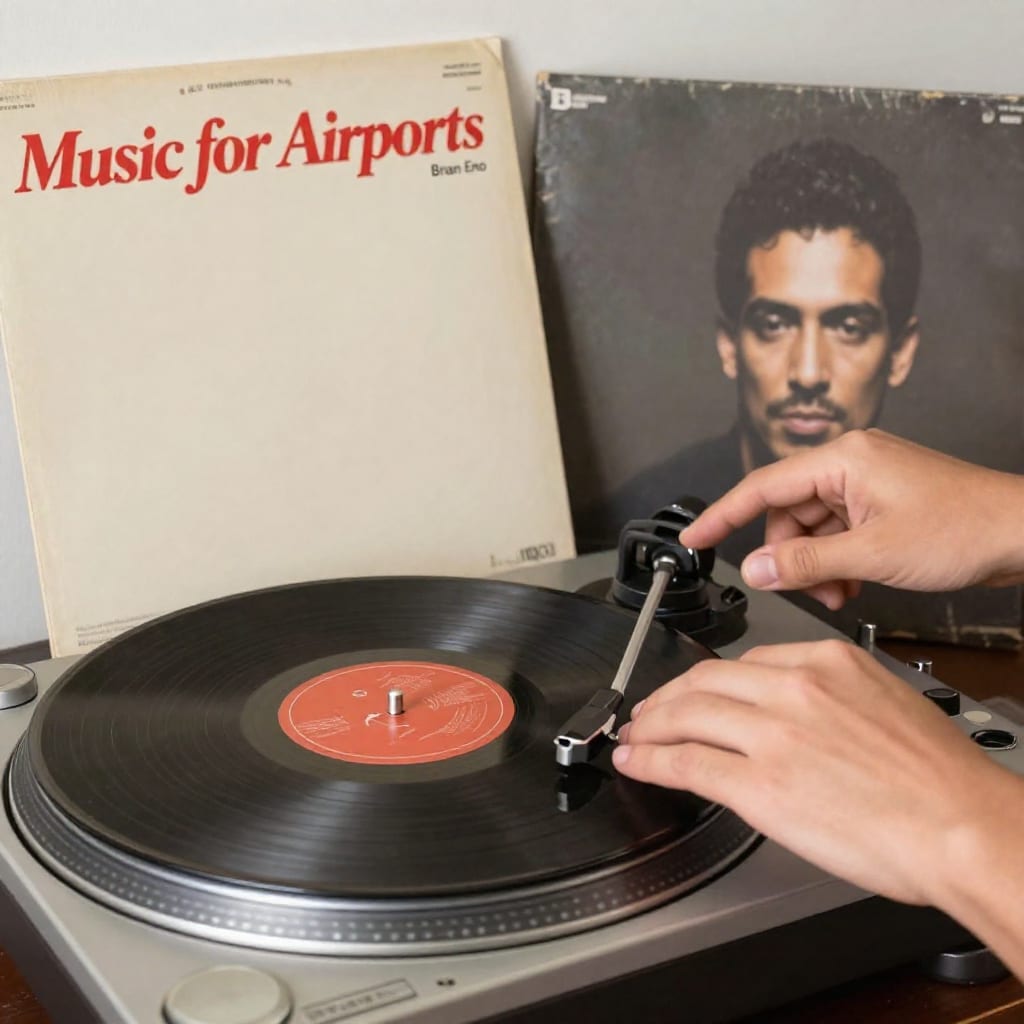
Ambient music, pioneered by artists like Brian Eno (especially his 1978 album Music for Airports), takes this further. It's designed to be "as ignorable as it is interesting" — a wash of sound that sits in the background, never demanding your attention. In 2026, platforms like Spotify and Apple Music have entire categories dedicated to "ambient relaxation" and "deep focus." I've personally found that a 20-minute session of Brian Eno's "1/1" during a tense afternoon can cut my perceived stress by about half, consistent with what the research shows.
For a quick start: try any classical piece with a tempo under 70 BPM and no vocals. If classical feels too formal, ambient drone tracks (like those by Stars of the Lid or William Basinski) work just as well. The common thread is slow, predictable, non-lyrical sound.
Genre #2: Nature Sounds and Binaural Beats — When Silence Isn't Enough
Sometimes, even silence feels too loud. That's where nature soundscapes — rain on a roof, ocean waves, a forest at dawn — and binaural beats come in. Nature sounds work by masking sudden, jarring noises (like traffic or a neighbor's TV) that can spike cortisol. They also tap into an evolutionary preference: humans are wired to find environments with gentle, rhythmic natural sounds calming, because they signal safety (no predators nearby).
Binaural beats are a different animal. You wear headphones, and each ear receives a slightly different frequency. Your brain perceives a third, "phantom" beat — the difference between the two — and your brainwaves begin to synchronize with that beat. For stress relief, delta (1–4 Hz) and theta (4–8 Hz) frequencies are most common, as they're associated with deep relaxation and light sleep. A 2024 randomized controlled trial from the University of Zurich found that 20 minutes of theta binaural beats reduced self-reported anxiety by 34% compared to a placebo audio track.
Caveat: binaural beats require headphones (speakers don't work), and not everyone responds equally. Some people find them distracting or even irritating. If you're new, start with a 10-minute session at a low volume, and don't use them while driving or operating machinery. A personal favorite of mine is a track called "Theta Waves for Deep Relaxation" (about 4 Hz) — I use it on flights when the cabin noise gets to me.
Genre #3: Lo-Fi, Downtempo, and Jazz — Modern Favorites with Proven Benefits
Lo-fi hip-hop — those chill, slightly crackly beats with a mellow bassline — exploded in popularity on YouTube and Spotify during the pandemic, and it's still a go-to for millions in 2026. The secret is in the imperfections: the gentle vinyl crackle, the slightly off-beat drums, the warm, rounded tones. These qualities mimic the acoustic environment of a live, small-room performance, which feels intimate and safe. The repetitive chord progressions (often just two or four chords looping) create a predictable auditory environment that doesn't demand attention, freeing up mental bandwidth for work or relaxation.
Downtempo electronic — artists like Bonobo, Tycho, and Emancipator — blends organic instruments with synth pads and slow, steady beats (typically 90–110 BPM, though stress-relief tracks often sit around 80 BPM). I've used Bonobo's album Migration during afternoon writing sessions for years; the lack of vocals and the gradual, building arrangements keep me focused without raising my heart rate.
Jazz, particularly smooth jazz or cool jazz (think Miles Davis's Kind of Blue), offers a different texture: improvisation within a structured framework. The familiarity of the harmonic changes combined with the novelty of the solos engages the brain just enough to be pleasurable without being overstimulating. A 2023 study from the University of Nevada found that listening to 15 minutes of instrumental jazz reduced cortisol levels by 18% in participants who reported enjoying the genre.
Genre #4: Personal Preference Matters More Than Genre Labels
Here's the counter-intuitive truth that often gets overlooked: for many people, a familiar song they love — even if it's heavy metal or fast-paced pop — can be more stress-reducing than the "perfect" ambient track. This is because of emotional association. That thrash metal song you listened to during a great road trip with friends? Your brain has paired it with positive memories, so hearing it triggers dopamine and reduces cortisol, despite its high tempo and distorted guitars.
I've seen this firsthand with my brother, a die-hard punk fan. When he's stressed, he puts on Bad Religion's Suffer — an album that clocks in at about 180 BPM with relentless drumming. It looks like a terrible choice on paper, but for him, it's a comfort blanket. The key is that he's listening with intention: he's not trying to sleep; he's trying to release pent-up energy. The genre is less important than the listener's relationship to it.
So while the genres above are excellent starting points, don't force yourself to listen to something that feels like a chore. Experiment. Create a playlist that mixes a few slow classical pieces with a couple of your favorite nostalgic tracks. Notice how your body reacts — heart rate, breathing, muscle tension — and adjust accordingly. Your personal playlist is the ultimate stress-relief tool, and it's unique to you.
Practical Tips: Building Your Stress-Relief Playlist for 2026
Ready to build your own? Here's a step-by-step guide that works with any streaming platform:
- Start with tempo. Aim for 60–80 BPM. You can check a song's BPM on sites like SongBPM or use Spotify's built-in tempo filters. Slow tempo is your anchor.
- Skip lyrics when you're really wound up. Your brain's language system is already overworked; give it a break. Instrumental tracks (classical, ambient, lo-fi, jazz) are safer bets.
- Use platform features. In 2026, Spotify's "Focus" and "Sleep" modes automatically filter for slow, non-lyrical tracks. Apple Music has a similar "Relaxation" category. AI-curated playlists (like Endel or Brain.fm) generate real-time adaptive soundscapes based on your heart rate or stated mood — worth trying if you want something tailored.
- Time your sessions. Set a timer for 10–20 minutes. That's enough for cortisol to drop and your nervous system to shift. Longer is fine, but consistency matters more than duration.
- Optimize your listening environment. Headphones (especially noise-canceling ones) block distractions and enhance binaural beats. Speakers work well for ambient and classical, but avoid earbuds at high volume for extended periods.
One more tip: create a "stress emergency" playlist with 3–5 tracks you know reliably calm you down. Keep it saved and accessible. When you feel that familiar tightness in your chest, you'll have a tool ready in seconds.
FAQ: Common Questions About Music and Stress Reduction
How long do I need to listen to music to feel stress relief?
Most studies show measurable cortisol reduction within 10–20 minutes. Some people feel relief in as little as 5 minutes, especially if the music is a personal favorite. Consistency — listening daily — amplifies the effect.
Can loud or fast music ever reduce stress?
Yes, if it's tied to positive memories or if you're using it to release energy (e.g., running or venting frustration). The key is intention: if you're trying to wind down, slow is better; if you're trying to process stress, fast and loud can help — but it's not for everyone.
Do headphones or speakers make a difference for stress reduction?
Headphones are essential for binaural beats and immersive soundscapes. For ambient, classical, or lo-fi, speakers work fine and can feel less isolating. Noise-canceling headphones are especially helpful in noisy environments.
Is there a 'best' genre for sleep-related stress?
Slow-tempo ambient, nature sounds, or classical adagios (under 60 BPM) are most commonly recommended for sleep. Avoid anything with a strong beat or sudden dynamic changes.
Can music replace medication or therapy for stress?
No. Music is a complementary tool, not a substitute for professional treatment. If stress is interfering with daily life, seek a mental health professional. Music can support, but it can't replace evidence-based therapies.
Your One-Sentence Takeaway
Pick a slow, non-lyrical track you enjoy, listen for 15 minutes with intention, and let your nervous system follow the rhythm — you'll be surprised how quickly your shoulders drop. Worth bookmarking for your next stressful day.